Portable Power Station vs. Gas Generator: Which is Best for You?
🔍 QUICK ANSWER
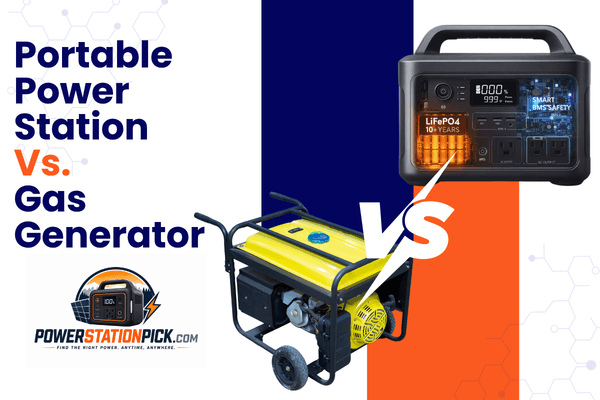
The primary difference is safety and fuel source. Portable power stations are 100% safe for indoor use, silent, and emission-free, making them ideal for apartments, CPAP machines, and electronics. Gas generators provide massive wattage for heavy appliances but are strictly for outdoor use due to deadly carbon monoxide exhaust and loud noise.
Introduction: Finding the Right Power Source
When the grid goes down or you’re heading off the map, you need a reliable way to keep your devices running. For decades, the gas generator was the only option. However, the rise of high-capacity portable power stations (often called solar generators) has changed the landscape.
This guide breaks down the critical differences in safety, cost, and performance to help you decide which belongs in your garage or gear bag.
What is a Portable Power Station?
A portable power station is essentially a large, high-tech battery (usually Lithium-ion or LiFePO4) housed in a protective case with built-in outlets.
How It Works
It stores electricity from a wall outlet, car port, or solar panels. An internal inverter converts that stored DC power into the AC power your household appliances need.
Best Use Cases
- Indoor emergency backup (apartments/bedrooms).
- Charging sensitive electronics (laptops, cameras).
- Camping and van life.
What is a Gas Generator?
A gas generator is a small internal combustion engine that burns fuel to create mechanical energy, which an alternator then converts into electricity.
How It Works
It requires liquid fuel—gasoline, propane, or diesel. As long as you have fuel, it can produce electricity continuously.
Best Use Cases
- Powering high-draw appliances (AC units, well pumps).
- Construction sites.
- Long-term power outages (3+ days).
Head-to-Head Comparison: Key Differences
| Feature | Portable Power Station | Gas Generator |
| Indoor Safety | 100% Safe (No Fumes) | Dangerous (Carbon Monoxide) |
| Noise Level | Silent to Whisper-Quiet | Loud (Lawnmower level) |
| Maintenance | None | High (Oil, spark plugs, fuel) |
| Initial Cost | Higher ($500 – $3,000+) | Lower ($300 – $1,500) |
| Fuel Source | Sunlight / Grid / Car | Gasoline / Propane / Diesel |
| Runtime | Limited by Battery Capacity | Unlimited (as long as you have fuel) |
1. Safety and Indoor Use
Safety is the most significant differentiator between these two systems.
Carbon Monoxide Risks
Gas generators produce deadly carbon monoxide (CO) exhaust. They must never be used indoors, in garages, or near open windows. Every year, improper generator use leads to fatal accidents during storm seasons.
The Indoor Advantage
Portable power stations produce zero emissions. You can safely keep one on your nightstand to power a CPAP machine or under your desk to keep your router and laptop running during a workday blackout.
2. Noise and Convenience
If you value peace and quiet, the choice is clear.
- Silent Operation: Power stations use cooling fans that are rarely louder than a laptop fan. This makes them ideal for campsites with strict noise rules.
- The “Roar” of Power: Even “quiet” inverter gas generators produce a constant drone that can be heard from several houses away.
3. Maintenance and Reliability
- Power Stations: These are “plug and play” devices. There are no filters to change and no oil to check. You simply need to keep the battery charged between 20% and 80% for long-term health.
- Gas Generators: Like a car, they require regular maintenance. If you leave gasoline in the tank for months without a stabilizer, the carburetor may gum up, preventing the unit from starting when you need it most.
4. Performance and Power Limits
This is where the gas generator often wins.
Handling High-Wattage Loads
A standard gas generator can easily output 5,000 to 7,500 watts, allowing you to run a refrigerator, a microwave, and a window AC unit simultaneously. While “Pro” level power stations (like the EcoFlow Delta Pro or Jackery 3000) can match this, they are significantly more expensive than an equivalent gas model.
Charging vs. Refueling
- Refueling: Takes 30 seconds to pour in more gas.
- Charging: Even with “Fast Charging” technology, a power station typically takes 1–2 hours to recharge from a wall outlet and much longer from solar panels.
5. Long-term Cost of Ownership
While gas generators are cheaper to buy upfront, the hidden costs add up:
- Fuel Costs: Gasoline is an ongoing expense.
- Maintenance Kits: Oil, filters, and spark plugs.
- Solar is Free: After the initial purchase of solar panels, your “fuel” for a power station is 100% free for the next 10–20 years.
❓ FAQ: Common Questions
Can I charge a power station with a gas generator?
Yes. This is actually a popular strategy. You can run a loud gas generator for 2 hours during the day to fully charge your “silent” power station, then use the power station to run your lights and fans quietly through the night.
Which is better for camping?
Portable power stations are generally better for camping due to their portability, silence, and ability to charge via solar while you are away from your vehicle.
Are power stations safe for sensitive electronics?
Yes. Most high-quality power stations use Pure Sine Wave inverters, which provide cleaner power than the standard grid, making them safer for high-end laptops and medical equipment.
🏆 Final Verdict: Which Should You Buy?
Choose a Portable Power Station if:
- You live in an apartment or need power inside your home.
- You want to charge phones, laptops, and CPAP machines.
- You want a maintenance-free, silent solution.
- You want to leverage renewable solar energy.
Choose a Gas Generator if:
- You need to power high-wattage appliances (well pumps, large ACs).
- You are preparing for extended outages lasting a week or more.
- You are on a tight budget for initial purchase price.

Hi, I’m Andrew Richards. I created PowerStationPick to share what I’ve learned about portable power through real-world use—what actually works, what doesn’t, and what makes sense for different situations. I focus on helping you choose the right setup for home backup, camping, and everyday needs without overcomplicating things.