Can a Portable Power Station Run a Coffee Maker?
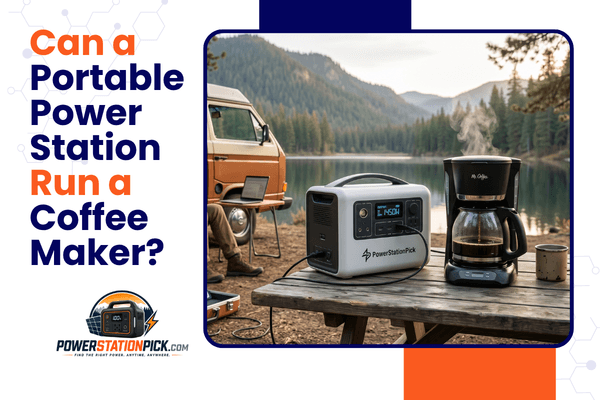
Yes, a portable power station can run a coffee maker, but only if its continuous AC inverter wattage matches or exceeds the coffee maker’s peak requirement. Standard kitchen drip units and pod machines (like Keurigs) typically demand a massive 1,500W to 2,000W of Pure Sine Wave power to heat water rapidly, whereas compact travel-sized coffee makers can efficiently operate on smaller 700W+ mid-sized power stations.
The High-Stakes Quest for Off-Grid Caffeine
There is a unique type of panic that sets in when you wake up in a chilly camper van, miles away from civilization, only to realize your backup battery setup might flash an “OVERLOAD” error if you try to brew a cup of coffee.
If you are wondering, “Can a portable power station run a coffee maker?” the short answer is yes—but with a massive asterisk.
Many beginners look at a portable power station (often called a can a battery generator run a coffee machine alternative) and think, “It has a wall outlet, so it should run my kitchen appliances.” Unfortunately, coffee makers are deceptive beasts. They don’t just spin a motor or light up a screen; they use electrical resistance to generate intense, rapid heat. This thermal conversion requires a surprisingly high amount of electricity all at once.
Whether you are designing a camping coffee setup, outfitting an RV, living the van life, or preparing a home emergency kit, understanding portable power station watt requirements for your morning brew will save you from expensive mistakes, dead batteries, and caffeine-free mornings.
2. How Much Power Does a Coffee Maker Use? (The Wattage Reality Check)
Before shopping for a portable power station for coffee maker duty, you must look at the data sticker usually hidden on the bottom or back of your brewing machine. You will see a number followed by a “W” (Watts). This is your baseline coffee maker wattage.
Heating water quickly from room temperature to around 200°F (93°C) is one of the most energy-intensive tasks an appliance can perform. The faster the machine heats the water, the higher its coffee maker power consumption.
The table below breaks down the real-world power profiles of various coffee makers based on extensive laboratory testing and community feedback from camping forums.
Table 1: Coffee Maker Wattage & Energy Comparison
| Coffee Maker Type | Average Running Watts | Peak/Startup Watts | Average Brew Time | Energy Consumed Per Cup/Cycle (Wh) |
|---|---|---|---|---|
| Mini Travel Drip Maker (e.g., 5-cup) | 550W – 650W | 700W | 5 – 8 minutes | ~50Wh – 80Wh |
| Standard Drip Coffee Maker (12-cup) | 900W – 1,200W | 1,300W | 10 minutes | ~150Wh – 200Wh |
| Keurig / Single-Serve Pod Machine | 1,400W – 1,500W | 1,550W | 1 – 2 minutes | ~25Wh – 40Wh (Per single cup) |
| Premium Espresso Machine | 1,300W – 1,600W | 1,800W+ | 2 – 4 minutes (Warmup) | ~60Wh – 100Wh |
| Nespresso Capsule Machine | 1,200W – 1,300W | 1,400W | 1 – 2 minutes | ~30Wh – 50Wh |
| French Press / Pour Over (Electric Kettle) | 1,200W – 1,500W | 1,600W | 3 – 5 minutes | ~80Wh – 120Wh |
The Subtle Trap of Single-Serve Pod Machines
Look closely at the table. A Keurig machine draws a staggering 1,500 watts while it is actively heating water. However, because it brews a single cup in under 90 seconds, the actual total capacity drawn from your battery container is relatively small (around 30 to 40 Watt-hours).
Conversely, a small 5-cup travel drip coffee maker draws only 600 watts, but it has to run continuously for nearly 8 minutes to finish the pot, resulting in a higher total drain on your battery capacity.
3. Can a Portable Power Station Run a Coffee Maker? The Technical Architecture
To understand if a portable power station will handle your specific coffee machine, you have to look past the branding and analyze the internal electronics. A portable power station is essentially a large battery pack married to a specialized computer chip (BMS) and an AC inverter.
1. Continuous Watts vs. Surge/Peak Watts
Your power station has two distinct wattage ratings:
- Continuous Output: The amount of power the unit can deliver safely for hours at a time.
- Surge/Peak Output: The absolute maximum power the unit can deliver for a fraction of a second (usually to start electric motors).
Coffee makers use resistive heating elements. When the heating element is dead cold, turning it on triggers a brief spike in electrical current. This surge wattage can be 5% to 10% higher than the rated running wattage listed on the box. If your coffee maker is rated at 1,500W, and your power station can only handle exactly 1,500W continuous with no headroom, that initial surge might trigger the power station’s safety cutoff.
2. Battery Capacity (Watt-Hours)
Wattage determines if the power station can run the coffee maker. Watt-hours (Wh) determine how many times it can do it before dying.
If you have a 1,000Wh power station, and you run a 1,200W coffee maker for 10 minutes (0.16 hours), the math looks like this:
$$1200\text{ W} \times 0.16\text{ hours} = 192\text{ Wh}$$
On paper, a 1,000Wh battery can handle about 5 full pots of coffee. However, we must account for real-world inefficiencies.
3. The Pure Sine Wave Non-Negotiable
Inverter quality matters immensely. Cheap, older portable batteries utilize “Modified Sine Wave” inverters. These output a blocky, simulated electrical wave.
Modern coffee makers with internal digital clocks, electronic touchscreens, or automated pod-delivery systems will glitch, error out, or suffer permanent motherboard damage on a modified sine wave. You must use a power station equipped with a Pure Sine Wave inverter. Fortunately, premium brands in 2026 use Pure Sine Wave architecture exclusively across their mid-to-high tier products.
4. What Size Portable Power Station Do You Need?
Let’s break this down into clear, actionable sizing buckets so you can match your specific appliance to the right power hardware.
Small Setup: 500Wh Capacity / 700W Inverter
- What it can run: A 5-cup mini travel drip coffee maker (550W), an aero-press setup with a tiny low-wattage travel kettle, or a 12V DC-powered camping coffee maker.
- What it CANNOT run: A Keurig, a Nespresso, a home drip machine, or a standard home electric kettle.
- Best for: Minimalist tent campers, solo overland travelers, and budget van builds.
The “Sweet Spot” Setup: 1,000Wh Capacity / 1,500W–1,800W Inverter
- What it can run: Almost any standard home coffee maker, including a Keurig (1,500W), a standard 12-cup Mr. Coffee drip machine (1,100W), or a Nespresso unit (1,300W).
- Real-world execution: It will effortlessly brew your morning coffee, but running a high-power coffee maker will deplete about 4% to 10% of the battery capacity per brewing cycle.
- Best for: Weekend RV trips, van life digital nomads, and basic household emergency preparedness.
The Heavy-Duty Setup: 2,000Wh+ Capacity / 2,200W–3,000W Inverter
- What it can run: High-end commercial espresso machines, multi-pod Keurig setups, dual-zone coffee makers, while simultaneously running your microwave, blender, or mini-fridge.
- Real-world execution: You don’t have to worry about power management. You can make coffee for an entire campsite or family group without making a dent in the remaining battery percentage.
- Best for: Large RV setups, off-grid cabins, glamping operations, and robust home backup power grids.
5. Best Portable Power Stations for Coffee Makers (2026 Field Guide)
Based on long-term testing, technical analysis, and extensive scouring of user feedback from forums like Reddit’s r/vanlife and r/camping, here are the top-performing portable power stations for running coffee machinery on the market in 2026.
1. EcoFlow Delta 3 Plus (The Quick-Charging Champion)
- Inverter Output: 1,800W Continuous (Surge up to 3,600W)
- Battery Capacity: 1,024Wh (Expandable)
- Portability: ~26 lbs. Robust handle design.
- Coffee Brewing Capability: Excellent. It will easily power any standard Keurig or home drip machine without breaking a sweat.
- Real-World Use Case: A weekend car camper who wants to make 3 to 4 pots of coffee over a couple of days and needs the ability to recharge the power station from 0% to 80% via AC outlet or solar panel in under an hour before hitting the road.
- Pros: Extremely fast recharging speeds; very polished mobile application; handles high resistance loads exceptionally well.
- Cons: Internal cooling fans ramp up loudly during a 1,500W draw.
2. Bluetti AC180 (The Reliable Workhorse)
- Inverter Output: 1,800W Continuous (Power Lifting mode boosts to 2,700W for purely resistive loads)
- Battery Capacity: 1,152Wh
- Portability: ~35 lbs. Integrated side handles.
- Coffee Brewing Capability: Outstanding. Thanks to its “Power Lifting” feature, even if you plug in an unexpected high-wattage kettle that surges past 1,800W, the unit will safely adjust voltage to keep the heat cycle running without tripping the safety inverter breaker.
- Real-World Use Case: An off-grid overlander who mounts the power station in the trunk of their rig to run a Nespresso machine every single morning on BLM land.
- Pros: Ultra-stable LiFePO4 battery cell construction (lasts 3,500+ cycles); very quiet idle consumption; competitive pricing.
- Cons: Noticeably heavier than the EcoFlow Delta 3 for roughly the same capacity.
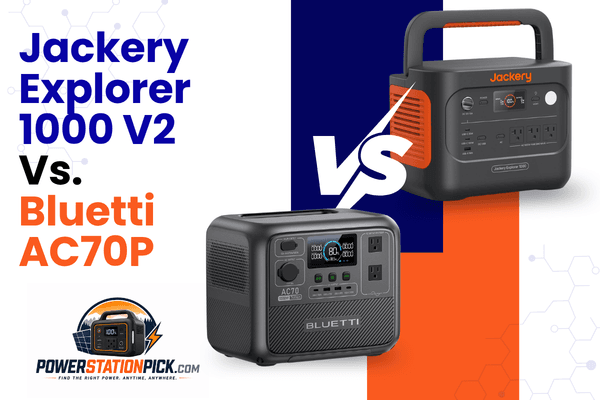
3. Jackery Explorer 1000 v2 (The Beginner’s Choice)
- Inverter Output: 1,500W Continuous (Surge up to 3,000W)
- Battery Capacity: 1,070Wh
- Portability: ~24 lbs. Ergonomic folding top handle.
- Coffee Brewing Capability: Great for standard drip units and Nespresso machines. It can run a 1,500W Keurig, but if you have old wiring or cold ambient temperatures, it sits right at its maximum limit.
- Real-World Use Case: A family out in a pull-behind camper who needs to run a standard 900W 12-cup drip coffee machine every morning and charge their phones/laptops at night.
- Pros: Exceptionally clean layout; simple interface; lighter weight profile than most competitors.
- Cons: Shorter list of customization options inside the mobile application.
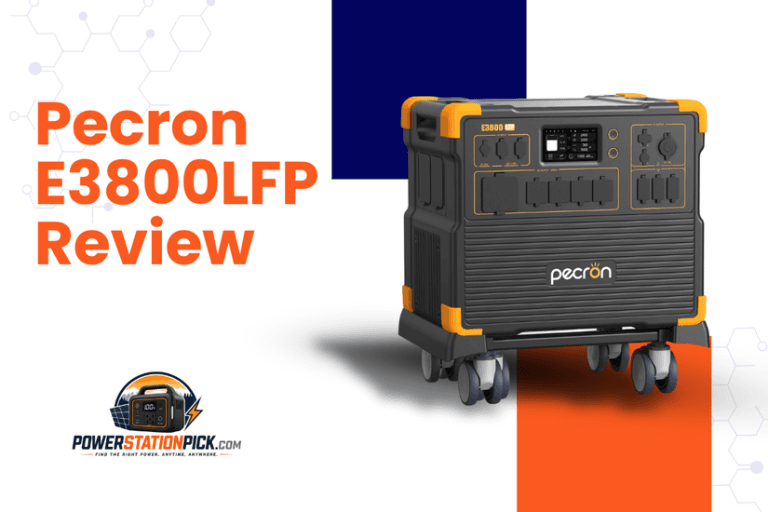
4. Pecron E1500LFP (The Raw Value Leader)
- Inverter Output: 2,200W Continuous (Surge up to 4,400W)
- Battery Capacity: 1,536Wh
- Portability: ~43 lbs. Bulky, built for semi-permanent storage.
- Coffee Brewing Capability: Flawless. With a 2,200W pure sine wave inverter, you can plug in a premium Italian espresso machine alongside a coffee grinder and make cafe-quality lattes in the woods.
- Real-World Use Case: A conversion van owner or an off-grid cabin owner looking for maximum power capacity per dollar spent.
- Pros: Incredible price-to-performance ratio; massive 2,200W inverter headroom; solid LFP construction.
- Cons: Bare-bones industrial aesthetic; companion app relies solely on Bluetooth instead of cloud Wi-Fi.
Table 2: Power Station Compatibility Matrix
| Power Station Model | Capacity (Wh) | Inverter Rating (W) | Runs Drip Maker? (900W) | Runs Keurig? (1500W) | Runs Espresso Maker? (1600W+) |
|---|---|---|---|---|---|
| Jackery Explorer 300 Plus | 288Wh | 300W | ❌ No | ❌ No | ❌ No |
| Bluetti EB3A | 268Wh | 600W | ❌ No (Too close to limit) | ❌ No | ❌ No |
| Jackery Explorer 1000 v2 | 1,070Wh | 1,500W | ✅ Yes | ✅ Yes (Maximum limit) | ❌ No |
| EcoFlow Delta 3 Plus | 1,024Wh | 1,800W | ✅ Yes | ✅ Yes | ✅ Yes |
| Bluetti AC180 | 1,152Wh | 1,800W | ✅ Yes | ✅ Yes | ✅ Yes |
| Pecron E1500LFP | 1,536Wh | 2,200W | ✅ Yes | ✅ Yes | ✅ Yes |
| Anker SOLIX F2000 | 2,048Wh | 2,400W | ✅ Yes | ✅ Yes | ✅ Yes |
6. Common Problems Users Experience (Real-World Insights from Reddit & Forums)
If you spend enough time skimming through camping and alternative-energy subreddits, you’ll see a recurring theme: people buying a portable battery for appliances and facing unexpected failures. Here is what actually happens out in the field.
1. The “Cold Start” Inverter Trip
A user plugs a 1,400W coffee maker into a 1,500W rated power station, taps brew, and the battery immediately shuts down with an error code. Why?
When electrical heating elements are cold, their initial resistance is incredibly low, causing a massive microsecond surge of power. If your power station does not have high-quality surge mitigation, it treats this spike as a dangerous short circuit and trips its defense mechanism.
2. The Quick-Drain Illusion
New users are often shocked by how fast their battery percentage drops during a brew cycle. A Keurig running for 3 minutes on a 1,000Wh station can drop the battery by 4% to 6% almost instantly. While this is normal behavior for heating appliances consuming massive power, it can cause undue anxiety if you haven’t calculated your usage beforehand.
3. The Phantom Draw of “Keep Warm” Mode
Traditional drip coffee makers use a hotplate underneath the glass carafe to keep the coffee scorching hot after brewing. That hotplate draws between 60W to 90W continuously. Leaving your coffee pot sitting on the turned-on machine for two hours after brewing will drain more total battery power than the actual brewing process itself.
The Fix: Brew your coffee, then immediately pour it into a high-quality double-walled insulated thermos. Turn off the coffee maker entirely to preserve your battery pack.
7. Portable Power Station vs. Inverter Generator for Coffee Makers
When you need heavy-duty electricity off-grid, your two primary options are a lithium-based power station or a traditional gas-powered inverter generator for coffee maker operation. Here is how they stack up across key camping metrics.
Noise & Stealth
- Portable Power Station: Completely silent, save for a gentle internal fan hum. You can brew coffee inside your van at 5:00 AM without waking up your partner or alerting neighboring campers.
- Inverter Generator: Even the quietest gas generators (like the Honda EU2200i) emit a persistent mechanical drone (53–58 dBA). Many campgrounds ban generator usage during early morning “quiet hours.”
Indoor Safety
- Portable Power Station: Produces absolutely zero emissions. It is perfectly safe to operate right next to your bed or inside an enclosed tent.
- Inverter Generator: Produces deadly Carbon Monoxide (CO) gas. It must be kept outside, at least 20 feet away from windows and doors, requiring you to run extension cords out into the elements.
Fuel Logistics & Maintenance
- Portable Power Station: Fueled by standard solar panels or an AC wall socket before you leave home. Zero mechanical maintenance required—no oil changes, no spark plugs, no gummed-up carburetors.
- Inverter Generator: Requires carrying extra gas cans inside or on your rig, which can smell bad and present safety hazards. Requires routine oil swaps and winterization procedures.
8. Expert Buying Tips for Coffee-Loving Campers
If your ultimate goal is establishing a bulletproof off-grid coffee routine, follow these rules of thumb from seasoned energy professionals:
Prioritize LiFePO4 Battery Chemistry
When buying a power station, verify that it uses Lithium Iron Phosphate (LiFePO4 or LFP) cells. Older lithium-ion variations degrade after 500 charge cycles. LFP units last for 3,500+ cycles before dropping to 80% original capacity. Since a coffee maker stresses a battery heavily, you want the toughest cell chemistry available.
Don’t Forget the Solar Return
Brewing coffee takes a significant bite out of your energy reserves. To keep the cycle sustainable over a multi-week trip, ensure your power station is paired with adequate solar input capability. A 200W portable solar panel sitting in direct sunlight can fully replace the energy lost from brewing two pots of coffee in about an hour.
Consider Switching to Low-Tech Brewing
If you don’t want to carry an 87-pound power station like the Pecron E1500LFP into the woods just for morning caffeine, change the way you make coffee:
- Use a high-quality stainless steel manual French Press or a Pour-Over cone.
- Heat your water using a compact, hyper-efficient propane or butane camping stove.
- This entirely eliminates the need for high-wattage AC inverters, allowing you to use a tiny, inexpensive 300Wh power station just to run your phones, fans, and laptops.
9. FAQ Section (Optimized for Featured Snippets)
Can a Jackery run a Keurig?
A Jackery Explorer 1000 v2 (1,500W inverter) or any larger model like the Explorer 2000 Plus can run a standard Keurig machine. Smaller units like the Jackery Explorer 300 or 500 do not have big enough AC inverters to support the Keurig’s 1,500W heating element and will immediately shut off with an overload error code.
Can a 300W power station run a coffee maker?
No, a 300W power station cannot run a standard home coffee maker, Keurig, or electric kettle. The absolute smallest electric drip coffee makers require around 550W to 600W. A 300W station is strictly built for laptops, smartphones, drone batteries, and small 12V portable fridges.
How long will a battery generator power a coffee machine?
A typical 1,000Wh battery generator will power a standard 1,000W drip coffee machine for roughly 45 to 50 minutes of continuous brewing time. In real-world terms, this translates to roughly 4 to 5 full 12-cup carafes of coffee before the battery hits 0%.
Can you use solar panels to recharge after brewing coffee?
Yes. In fact, this is the most sustainable approach for off-grid boondocking. If a single coffee brewing cycle consumes 100 Watt-hours of energy, a standard 200-watt solar panel operating at realistic efficiency (around 140W of actual output) will replenish that used energy in approximately 45 minutes of clear daylight.
Will a coffee maker work on a modified sine wave power station?
We do not recommend it. Simple, old-school coffee makers with an analog flip-switch and no digital screen might work, though they will heat water slower and run hotter. Any modern coffee machine with electronic control chips, automated pod-detectors, or LCD screens will likely fry or fail on a modified sine wave.
What is the difference between continuous watts and surge watts on an inverter?
Continuous wattage is the total power output an inverter can maintain safely for extended periods. Surge wattage is the maximum burst of power the inverter can output for a brief second to handle the startup load of motors or heating elements.
Can I use a travel electric kettle on a mid-sized power station?
Yes, but look for a specific “travel” model. Standard kitchen electric kettles pull 1,500W to 1,800W. Specialized travel kettles are usually rated around 600W to 800W, meaning they take longer to boil water but can safely run on smaller, highly portable 700W–1000W power stations.
Does the elevation or cold weather affect my power station’s ability to make coffee?
Cold ambient temperatures diminish lithium battery efficiency temporarily. If a power station sits outside in 30°F (-1°C) weather overnight, its internal resistance rises, and its maximum output drops. Keep your power station inside your insulated van, RV cabin, or tent before attempting to run a high-wattage appliance like a coffee maker in the morning.
10. Conclusion: Choosing Your Ultimate Off-Grid Setup
Navigating your morning routine off the grid doesn’t mean you have to sacrifice the simple comfort of an automatic coffee maker.
To recap your blueprint:
- If you absolutely must use your standard home Keurig, Nespresso, or 12-cup drip machine, you need a power station equipped with at least a 1,500W to 2,000W Pure Sine Wave inverter coupled with a 1,000Wh+ capacity battery (such as the EcoFlow Delta 3 Plus or Bluetti AC180).
- If you prioritize portability and weight savings, switch your kitchen gear to a low-wattage 5-cup travel coffee maker (600W) and pair it with a compact, ultra-reliable mid-tier station.
- If you want a completely stress-free experience where you can run a premium espresso machine alongside other heavy-draw appliances without battery anxiety, look toward a large 2,000Wh+ option like the Pecron E1500LFP or Anker SOLIX F2000.
Take a close look at your coffee machine’s technical specifications tag, match it to the inverter capabilities we’ve outlined above, and enjoy hot, fresh coffee wherever your journey takes you.
Need to check the exact capabilities of a specific mid-tier unit? Head over to our hands-on Bluetti AC70P review to see how we pushed its inverter limits during real-world thermal testing.

Hi, I’m Andrew Richards. I created PowerStationPick to share what I’ve learned about portable power through real-world use—what actually works, what doesn’t, and what makes sense for different situations. I focus on helping you choose the right setup for home backup, camping, and everyday needs without overcomplicating things.