How Does a Portable Power Station Work? Beginner-Friendly Guide
🔍 Quick Answer
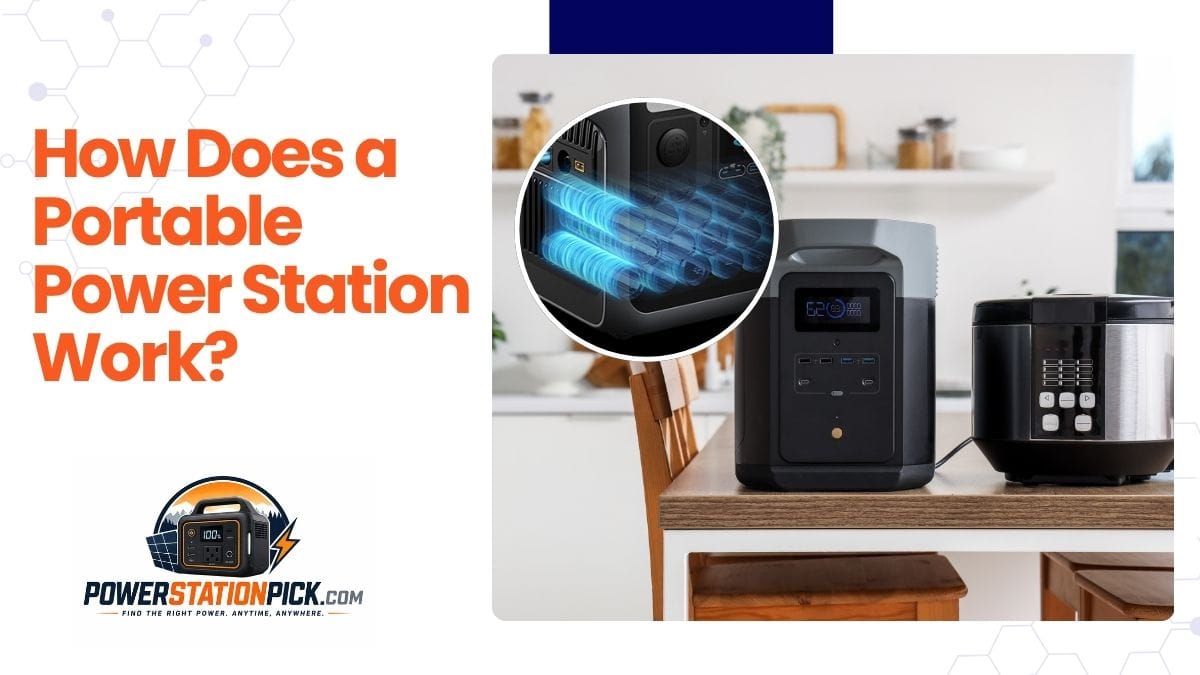
A portable power station (PPS) works by capturing electricity (from solar, AC wall outlets, or car ports) and storing it in a high-capacity internal battery. When you plug in a device, an internal inverter converts the stored Direct Current (DC) into Alternating Current (AC)—the same power found in your home outlets—while a Battery Management System (BMS) ensures safety and efficiency.
What Is a Portable Power Station?
Think of it as a “giant, smart power bank.” Unlike traditional gas generators, a portable power station provides clean, quiet electricity without burning fuel. It is an all-in-one system designed for:
- Home Backup: Reliable power during unexpected blackouts.
- Off-Grid Living: Essential for camping, RVs, and digital nomads.
- Indoor Safety: Zero fumes and silent operation make it safe for apartments.
How Does It Work? The Step-by-Step Process
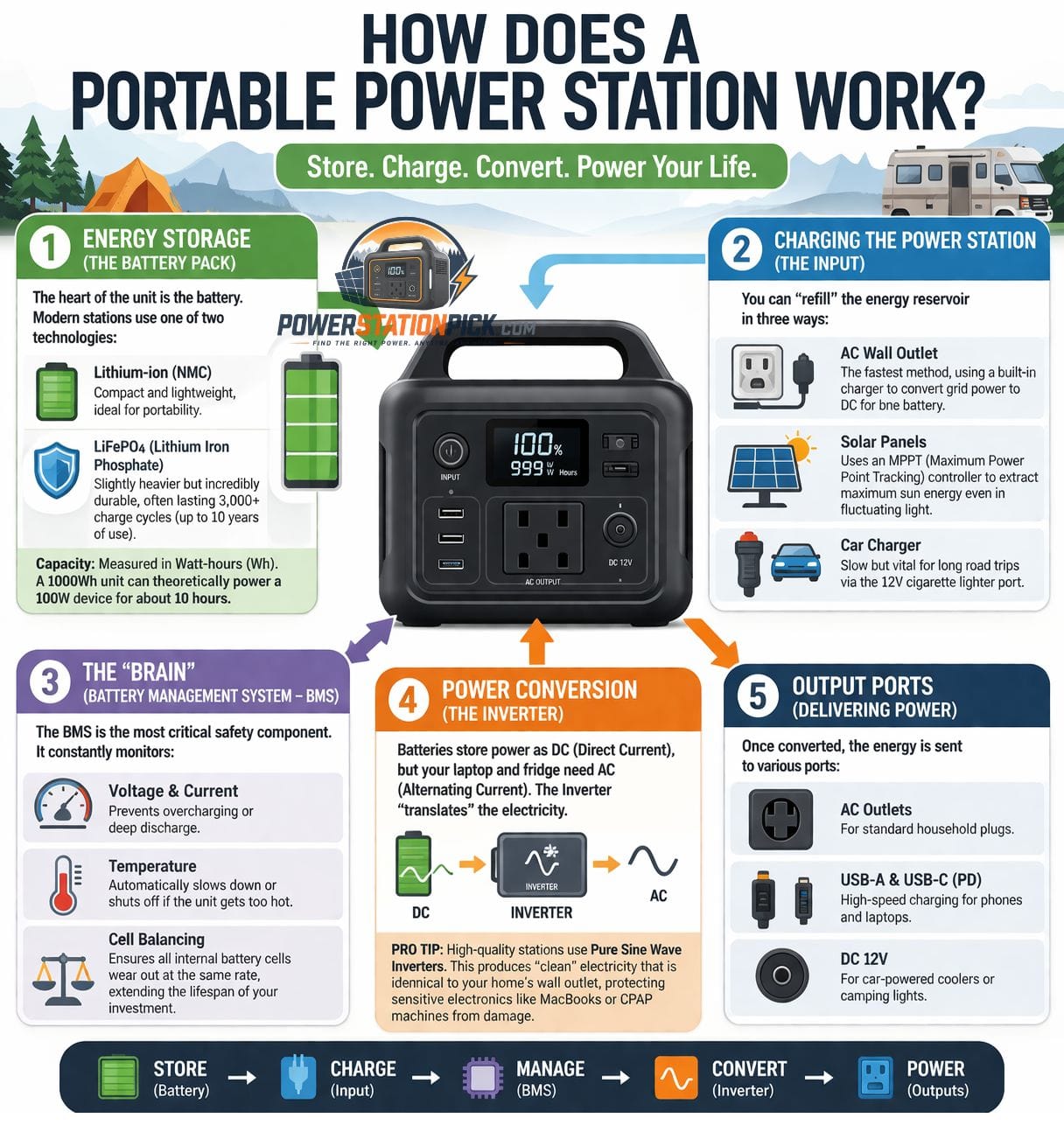
1. Energy Storage (The Battery Pack)
The heart of the unit is the battery. Modern stations typically use one of two technologies:
- Lithium-ion (NMC): Compact and lightweight, ideal for portability.
- LiFePO4 (Lithium Iron Phosphate): Slightly heavier but incredibly durable, often lasting 3,000+ charge cycles (up to 10 years of use).
- Capacity: Measured in Watt-hours (Wh). A 1000Wh unit can theoretically power a 100W device for about 10 hours.
2. Charging the Power Station (The Input)
You can “refill” the energy reservoir in three ways:
- 🔌 AC Wall Outlet: The fastest method, using a built-in charger to convert grid power to DC for the battery.
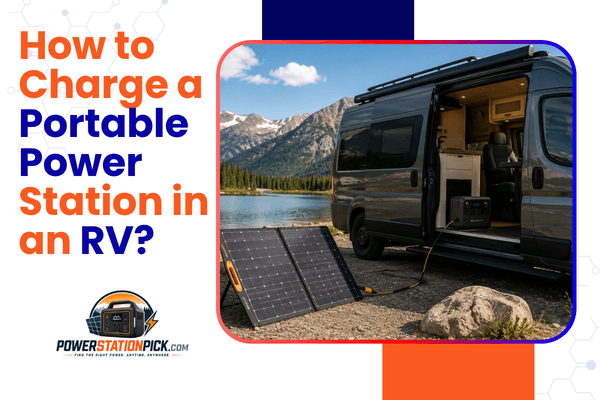
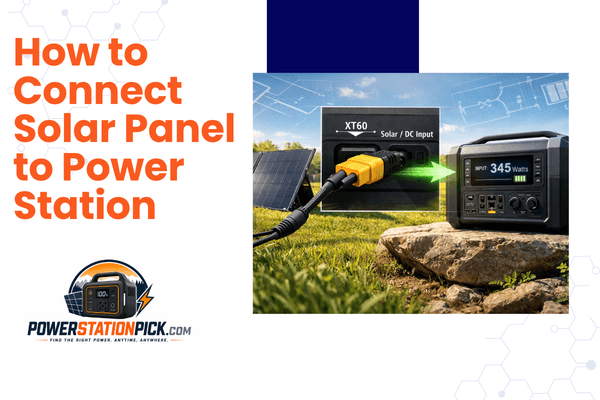
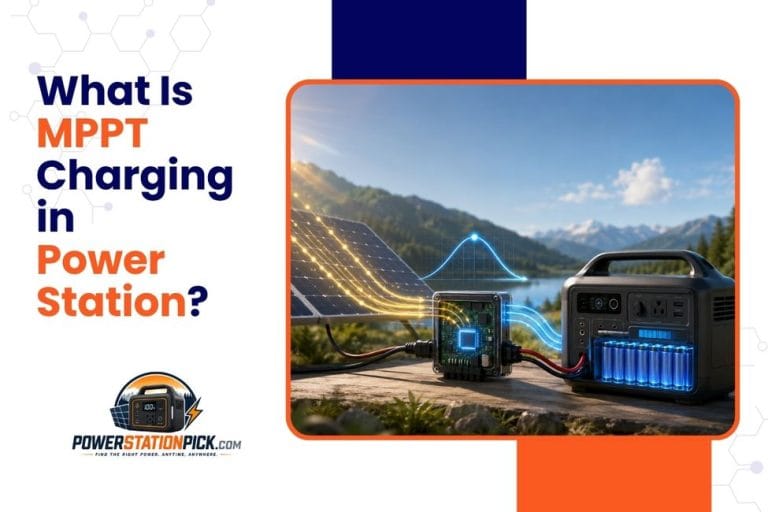
- ☀️ Solar Panels: Uses an MPPT (Maximum Power Point Tracking) controller to extract maximum sun energy even in fluctuating light.
- 🚗 Car Charger: Slow but vital for long road trips via the 12V cigarette lighter port.
3. The “Brain” (Battery Management System – BMS)
The BMS is the most critical safety component. It constantly monitors:
- Voltage & Current: Prevents overcharging or deep discharge.
- Temperature: Automatically slows down or shuts off if the unit gets too hot.
- Cell Balancing: Ensures all internal battery cells wear out at the same rate, extending the lifespan of your investment.
4. Power Conversion (The Inverter)
Batteries store power as DC (Direct Current), but your laptop and fridge need AC (Alternating Current).
- The Inverter “translates” the electricity.
- Pro Tip: High-quality stations use Pure Sine Wave Inverters. This produces “clean” electricity that is identical to your home’s wall outlet, protecting sensitive electronics like MacBooks or CPAP machines from damage.
5. Output Ports (Delivering Power)
Once converted, the energy is sent to various ports:
- AC Outlets: For standard household plugs.
- USB-A & USB-C (PD): High-speed charging for phones and laptops.
- DC 12V: For car-powered coolers or camping lights.
Energy Flow Diagram
Charge (Solar/Wall) → Store (Battery + BMS) → Convert (Inverter) → Use (Your Device)
What Can a Portable Power Station Run?
The runtime depends on the Wh (Watt-hour) capacity and the Inverter’s Wattage.
| Device | Average Power | Estimated Runtime (1000Wh Station) |
| Smartphone | 10W | 80–90 Charges |
| Laptop | 60W | 12–15 Hours |
| TV (42-inch) | 100W | 8–9 Hours |
| Mini Fridge | 50W | 15–18 Hours |
| CPAP Machine | 40W | 20+ Hours |
Note: We factor in a 15% efficiency loss during the DC-to-AC conversion process.
Portable Power Station vs. Gas Generator
| Feature | Portable Power Station | Gas Generator |
| Noise | Silent (0-20 dB) | Loud (60-80 dB) |
| Fuel | None (Sun/Electricity) | Gasoline / Propane |
| Indoor Use | 100% Safe | Deadly (Carbon Monoxide) |
| Maintenance | Zero (Just keep it charged) | High (Oil, spark plugs) |
| Instant Power | Push-button start | Pull-cord / Warm-up time |
❓ Frequently Asked Questions (FAQs)
Can a portable power station run a refrigerator?
Yes. However, you must check the “Starting Watts” (surge) of your fridge. Most full-sized fridges need a power station with at least a 1500W–2000W output.
How long do they last?
Units with LiFePO4 batteries can last 10+ years with regular use. Lithium-ion (NMC) units typically last 3–5 years before capacity begins to drop.
Is it okay to leave it plugged in all the time?
Modern stations with an advanced BMS are designed to handle this, but for long-term health, it’s best to keep the battery between 20% and 80% if storing it for months.
Final Thoughts
Understanding how a portable power station works helps you make a better buying decision. By combining high-density battery storage with smart conversion technology, these devices offer a silent, green, and reliable alternative to traditional power sources.
Ready to find the best pick for your needs?
👉 Read our 2026 Portable Power Station Buying Guide here!

Hi, I’m Andrew Richards. I created PowerStationPick to share what I’ve learned about portable power through real-world use—what actually works, what doesn’t, and what makes sense for different situations. I focus on helping you choose the right setup for home backup, camping, and everyday needs without overcomplicating things.