Best Portable Power Station For Camping Reviewed & Ranked
Introduction
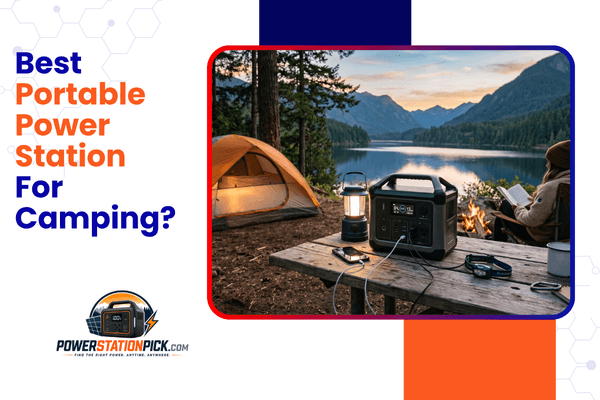
When it comes to outdoor adventures, having a reliable power source can make all the difference. The best portable power station for camping is essential for keeping your devices charged and your campsite powered. Whether you’re looking to run small appliances, charge your phone, or power lights, a portable power station can provide the necessary energy without the hassle of traditional generators.
As camping enthusiasts know, the convenience of modern technology can enhance the experience, allowing for comforts like music, cooking gadgets, and even small refrigerators. With a variety of options available, it’s crucial to find the right portable power station that meets your needs, ensuring a smooth and enjoyable camping trip.
In the following sections, we will explore what to consider when choosing the best portable power station for camping, as well as some top recommendations to help make your outdoor experience more enjoyable.
Top Products

VTOMAN Jump 600X Portable Power Station 600W, 299Wh Solar Generator LiFePO4 Battery Power Station with Jump Start for Car, 1200W AC Outlet, PD 60W USB-C, 3x Regulated 12V/10A DC for Camping, RV Travel
The VTOMAN Jump 600X Portable Power Station is a versatile and reliable solar generator designed for outdoor adventures and emergency situations. With a powerful 600W output and a robust LiFePO4 battery, it ensures you have the energy you need wherever you go.
Check Price on Amazon
EF ECOFLOW Portable Power Station DELTA 2, 1024Wh LiFePO4 (LFP) Battery, 1800W AC/100W USB-C Output, Solar Generator(Solar Panel Optional) for Home Backup Power, Camping & RVs
The EF ECOFLOW Portable Power Station DELTA 2 is a versatile power solution with a robust 1024Wh LiFePO4 battery, designed for home backup, camping, and RV adventures. With multiple output options, it ensures you stay powered wherever you go.
Check Price on Amazon
Anker SOLIX C1000 Gen 2 Portable Power Station, 2,000W (Peak 3,000W) Solar Generator, Full Charge in 49 Min, 1,024Wh LiFePO4 Battery for Home Backup, Power Outages, and Camping (Optional Solar Panel)
The Anker SOLIX C1000 Gen 2 Portable Power Station is a powerful and efficient solar generator designed to provide reliable energy for home backup, camping, and during power outages. With a rapid charging capability and a robust battery, it ensures you stay powered wherever you go.
Check Price on AmazonTop 10 Best Portable Power Station For Camping
VTOMAN Jump 600X Portable Power Station 600W, 299Wh Solar Generator LiFePO4 Battery Power Station with Jump Start for Car, 1200W AC Outlet, PD 60W USB-C, 3x Regulated 12V/10A DC for Camping, RV Travel
The VTOMAN Jump 600X Portable Power Station is a versatile and reliable solar generator designed for outdoor adventures and emergency situations. With a powerful 600W output and a robust LiFePO4 battery, it ensures you have the energy you need wherever you go.
Check Price on AmazonEF ECOFLOW Portable Power Station DELTA 2, 1024Wh LiFePO4 (LFP) Battery, 1800W AC/100W USB-C Output, Solar Generator(Solar Panel Optional) for Home Backup Power, Camping & RVs
The EF ECOFLOW Portable Power Station DELTA 2 is a versatile power solution with a robust 1024Wh LiFePO4 battery, designed for home backup, camping, and RV adventures. With multiple output options, it ensures you stay powered wherever you go.
Check Price on AmazonAnker SOLIX C1000 Gen 2 Portable Power Station, 2,000W (Peak 3,000W) Solar Generator, Full Charge in 49 Min, 1,024Wh LiFePO4 Battery for Home Backup, Power Outages, and Camping (Optional Solar Panel)
The Anker SOLIX C1000 Gen 2 Portable Power Station is a powerful and efficient solar generator designed to provide reliable energy for home backup, camping, and during power outages. With a rapid charging capability and a robust battery, it ensures you stay powered wherever you go.
Check Price on Amazon
MARBERO Portable Power Station 88Wh Camping Lithium Battery Solar Generator Fast Charging with AC Outlet 120W Peak Power Bank(Solar Panel Optional) for Home Backup Outdoor Emergency RV Van Hunting
The MARBERO Portable Power Station is a versatile 88Wh lithium battery solar generator designed for outdoor adventures and home backup. With fast charging capabilities and a peak power output of 120W, it’s perfect for camping, RV trips, and emergency situations.
Check Price on Amazon
BLUETTI Portable Power Station AC180, 1152Wh LiFePO4 Battery Backup w/ 2 1800W (2700W peak) AC Outlets, 0-80% in 45Min, Solar Generator for Camping, Off-grid, Power Outage
The BLUETTI Portable Power Station AC180 is a reliable energy solution, perfect for camping, off-grid living, or emergency power outages. With a robust 1152Wh LiFePO4 battery, it provides ample power to keep your devices running smoothly.
Check Price on Amazon
Anker SOLIX C1000 Portable Power Station, 1800W (Peak 2400W) Solar Generator, Full Charge in 58 Min, 1056wh LiFePO4 Battery for Home Backup, Power Outages, and Outdoor Camping (Optional Solar Panel)
The Anker SOLIX C1000 Portable Power Station is a versatile solar generator designed to provide reliable power for home backup, outdoor camping, and during power outages. With a rapid charging capability and a robust battery, it ensures you stay connected wherever you are.
Check Price on Amazon
LIBRIDS Portable Power Station C600, 640Wh LiFePO4 Battery, 600W (Peak 1200W) Solar Generator, 1.5H Fast Charge, 10ms UPS, 8 Ports(4 AC) for Camping, Home Backup & Outages
The LIBRIDS Portable Power Station C600 is a versatile solar generator designed to provide reliable power for camping, home backup, and emergency outages. With a robust 640Wh LiFePO4 battery and multiple ports, it ensures you have the energy you need wherever you are.
Check Price on Amazon
Jackery Explorer 1000 v2 Portable Power Station,1070Wh LiFePO4 Battery,1500W AC/100W USB-C Output, 1 Hr Fast Charge, Solar Generator for Camping,Emergency, RV, Off-Grid Living(Solar Panel Optional)
The Jackery Explorer 1000 v2 Portable Power Station is a versatile and powerful energy solution designed for camping, emergencies, RV trips, and off-grid living. With a robust 1070Wh LiFePO4 battery and multiple output options, it ensures you stay powered wherever you are.
Check Price on Amazon
BLUETTI Elite 30 V2 Portable Power Station 600W (Power Lifting 1500W), 288Wh LiFePO4 Battery with 10ms UPS, Emergency Backup Power for Home Blackout/Winter Storm, Solar Generator for Camping/Road Trip
The BLUETTI Elite 30 V2 Portable Power Station is a reliable backup power solution, perfect for home emergencies or outdoor adventures. With a powerful 600W output and 288Wh LiFePO4 battery, it ensures you stay powered during blackouts or while camping.
Check Price on Amazon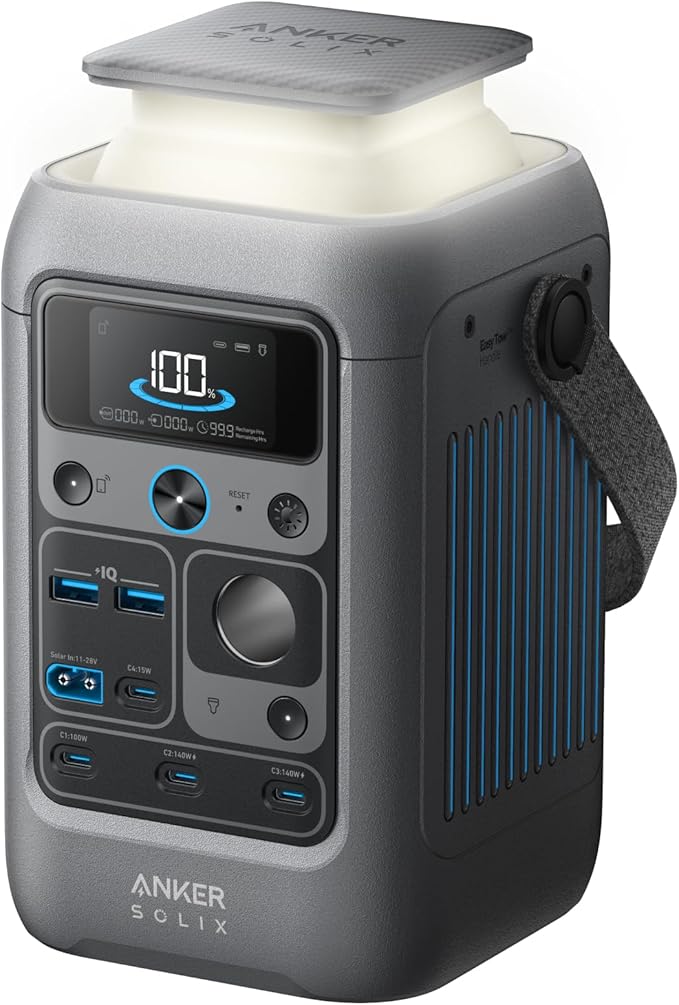
Anker SOLIX C300 DC Power Bank Station, Outdoor 288Wh Portable Power Station, LiFePO4 Battery, 300W Solar Generator, for Camping, Traveling, and Emergencies (No Wall Charger Included)
The Anker SOLIX C300 DC Power Bank Station is a versatile 288Wh portable power solution designed for outdoor adventures, travel, and emergency situations. With its robust LiFePO4 battery and solar generator capabilities, it ensures you stay powered wherever you go.
Check Price on AmazonSpecific Details in Reviews
1. VTOMAN Jump 600X Portable Power Station (Best for Beginners)
VTOMAN Jump 600X Portable Power Station 600W, 299Wh Solar Generator LiFePO4 Battery Power Station with Jump Start for Car, 1200W AC Outlet, PD 60W USB-C, 3x Regulated 12V/10A DC for Camping, RV Travel
The VTOMAN Jump 600X Portable Power Station is a versatile and reliable solar generator designed for outdoor adventures and emergency situations. With a powerful 600W output and a robust LiFePO4 battery, it ensures you have the energy you need wherever you go.
Check Price on AmazonKey Features
- 600W output with 299Wh capacity for versatile power needs.
- Jump start capability for vehicles, providing peace of mind on the road.
- 1200W AC outlet for powering household appliances.
- PD 60W USB-C port for fast charging of devices.
- Three regulated 12V/10A DC outputs for camping and RV use.
Pros
- Versatile power source: Ideal for camping, RV travel, and emergency situations.
- Fast charging capabilities: The PD 60W USB-C port allows for quick device charging.
- Durable and safe: LiFePO4 battery technology offers enhanced safety and longevity.
- Convenient jump start feature: Easily jump start your car in emergencies without needing another vehicle.
Cons
- Limited capacity for heavy-duty appliances: May not support high-wattage devices simultaneously.
- Weight considerations: At a certain weight, it may be less portable for some users.
- Charging time: Full charging can take a while, especially with solar panels.
Specs
| 0 | 600W |
|---|---|
| 1 | 299Wh |
| 2 | 1 x PD 60W, 3 x 12V DC |
| 3 | 1 x 1200W |
At a Glance
2. EF ECOFLOW Portable Power Station DELTA (Most Saving)
EF ECOFLOW Portable Power Station DELTA 2, 1024Wh LiFePO4 (LFP) Battery, 1800W AC/100W USB-C Output, Solar Generator(Solar Panel Optional) for Home Backup Power, Camping & RVs
The EF ECOFLOW Portable Power Station DELTA 2 is a versatile power solution with a robust 1024Wh LiFePO4 battery, designed for home backup, camping, and RV adventures. With multiple output options, it ensures you stay powered wherever you go.
Check Price on AmazonKey Features
- 1024Wh LiFePO4 battery for long-lasting power.
- 1800W AC output and 100W USB-C output for versatile charging.
- Solar generator capability with optional solar panel.
- Compact design for easy transport and storage.
- Ideal for home backup, camping, and RV use.
Pros
- High-capacity battery: The 1024Wh capacity ensures you have enough power for long trips or emergencies.
- Multiple outputs: With both AC and USB-C options, it caters to a wide range of devices, enhancing versatility.
- Solar panel compatibility: The ability to use solar panels makes it an eco-friendly choice for outdoor enthusiasts.
- Portable design: Lightweight and compact, it’s easy to carry and store, making it ideal for travel.
Cons
- Limited AC output: While 1800W is sufficient for many devices, it may not support larger appliances simultaneously.
- Solar panel sold separately: The need to purchase solar panels separately can increase initial setup costs.
- Charging time: It may take longer to recharge fully compared to some competitors with faster charging technology.
Specs
| 0 | 1024Wh |
|---|---|
| 1 | 1800W |
| 2 | 100W |
| 3 | 30.9 lbs |
| 4 | 15.7 x 8.3 x 10.6 in |
At a Glance
3. Anker SOLIX C1000 Gen 2 Portable (Best Overall)
Anker SOLIX C1000 Gen 2 Portable Power Station, 2,000W (Peak 3,000W) Solar Generator, Full Charge in 49 Min, 1,024Wh LiFePO4 Battery for Home Backup, Power Outages, and Camping (Optional Solar Panel)
The Anker SOLIX C1000 Gen 2 Portable Power Station is a powerful and efficient solar generator designed to provide reliable energy for home backup, camping, and during power outages. With a rapid charging capability and a robust battery, it ensures you stay powered wherever you go.
Check Price on AmazonKey Features
- 2,000W output with a peak of 3,000W
- Full charge in just 49 minutes
- 1,024Wh LiFePO4 battery for long-lasting performance
- Optional solar panel for eco-friendly charging
- Compact and portable design for easy transport
Pros
- High power capacity: With a peak output of 3,000W, it can handle demanding devices effortlessly.
- Fast charging capability: Achieve a full charge in just 49 minutes, perfect for urgent power needs.
- Eco-friendly option: The ability to connect an optional solar panel promotes sustainable energy use.
- Portable design: Lightweight and compact, making it easy to take on camping trips or store at home.
Cons
- Higher initial investment: The price point may be steep for some users.
- Limited solar panel availability: The optional solar panel is sold separately, adding to the overall cost.
- Weight may be cumbersome: While portable, it can be heavy for some users to carry over long distances.
Specs
| 0 | 2,000W (Peak 3,000W) |
|---|---|
| 1 | 1,024Wh |
| 2 | 49 minutes |
| 3 | LiFePO4 |
| 4 | Compact and portable |
At a Glance
4. MARBERO Portable Power Station 88Wh Camping (Best for Most People)
MARBERO Portable Power Station 88Wh Camping Lithium Battery Solar Generator Fast Charging with AC Outlet 120W Peak Power Bank(Solar Panel Optional) for Home Backup Outdoor Emergency RV Van Hunting
The MARBERO Portable Power Station is a versatile 88Wh lithium battery solar generator designed for outdoor adventures and home backup. With fast charging capabilities and a peak power output of 120W, it’s perfect for camping, RV trips, and emergency situations.
Check Price on AmazonKey Features
- Lightweight and portable design for easy transport.
- Fast charging with multiple AC outlets.
- Solar panel compatibility for sustainable energy.
- Ideal for camping, RV, and emergency use.
- User-friendly interface with LED display.
Pros
- Versatile power source: Ideal for a range of devices, from phones to small appliances.
- Eco-friendly option: Compatible with solar panels for sustainable energy use.
- User-friendly interface: Easy-to-read LED display for monitoring battery status.
- Compact design: Lightweight and portable, perfect for outdoor activities.
Cons
- Limited peak power: May not support larger appliances requiring higher wattage.
- Solar panel sold separately: Additional cost for those wanting solar charging capabilities.
- Charging time: Can take several hours to fully recharge, especially via solar.
Specs
| 0 | 88Wh |
|---|---|
| 1 | 120W |
| 2 | 2.9 lbs |
| 3 | AC, USB, Solar |
| 4 | AC, USB, DC |
At a Glance
5. BLUETTI Portable Power Station AC180, 1152Wh (Best for Most People)
BLUETTI Portable Power Station AC180, 1152Wh LiFePO4 Battery Backup w/ 2 1800W (2700W peak) AC Outlets, 0-80% in 45Min, Solar Generator for Camping, Off-grid, Power Outage
The BLUETTI Portable Power Station AC180 is a reliable energy solution, perfect for camping, off-grid living, or emergency power outages. With a robust 1152Wh LiFePO4 battery, it provides ample power to keep your devices running smoothly.
Check Price on AmazonKey Features
- 1152Wh capacity for extended use.
- Two 1800W AC outlets with a peak of 2700W.
- Rapid charging from 0-80% in just 45 minutes.
- Solar generator compatibility for eco-friendly charging.
- Compact design for easy transport and storage.
Pros
- High capacity: With 1152Wh, it can power multiple devices for extended periods.
- Fast charging: Achieve 80% charge in just 45 minutes, minimizing downtime.
- Versatile use: Perfect for camping, off-grid living, or emergency power needs.
- Eco-friendly: Compatible with solar panels for sustainable energy solutions.
Cons
- Weight consideration: At a compact size, it may still be heavier than some users expect.
- Limited AC outlets: Only two outlets may not suffice for larger setups.
- Price point: Higher initial investment compared to smaller power stations.
Specs
| 0 | 1152Wh |
|---|---|
| 1 | 2 x 1800W |
| 2 | 2700W |
| 3 | 0-80% in 45 minutes |
| 4 | LiFePO4 |
At a Glance
6. Anker SOLIX C1000 Portable Power Station, (Best for Most People)
Anker SOLIX C1000 Portable Power Station, 1800W (Peak 2400W) Solar Generator, Full Charge in 58 Min, 1056wh LiFePO4 Battery for Home Backup, Power Outages, and Outdoor Camping (Optional Solar Panel)
The Anker SOLIX C1000 Portable Power Station is a versatile solar generator designed to provide reliable power for home backup, outdoor camping, and during power outages. With a rapid charging capability and a robust battery, it ensures you stay connected wherever you are.
Check Price on AmazonKey Features
- 1800W output (peak 2400W) for high-demand devices
- Full charge in just 58 minutes
- 1056Wh LiFePO4 battery for long-lasting use
- Optional solar panel for eco-friendly charging
- Compact design for easy transport
Pros
- High power capacity: With 1800W output, it can support various devices, from small electronics to larger appliances.
- Rapid recharge time: Fully charges in just 58 minutes, allowing for quick turnaround between uses.
- Durable battery technology: The LiFePO4 battery offers longevity and safety, making it a reliable choice for power needs.
- Portable design: Compact and lightweight, it’s easy to transport for camping trips or emergency preparedness.
Cons
- Limited solar panel availability: The optional solar panel is sold separately, which may increase initial costs.
- Weight considerations: While portable, it may still be heavier than some users prefer for frequent travel.
- Power limitations: While powerful, it may not support certain high-wattage appliances simultaneously.
Specs
| 0 | 1800W (Peak 2400W) |
|---|---|
| 1 | 1056Wh LiFePO4 |
| 2 | 58 minutes |
| 3 | Compact and portable |
| 4 | Manageable for transport |
At a Glance
7. LIBRIDS Portable Power Station C600, 640Wh (Best for Most People)
LIBRIDS Portable Power Station C600, 640Wh LiFePO4 Battery, 600W (Peak 1200W) Solar Generator, 1.5H Fast Charge, 10ms UPS, 8 Ports(4 AC) for Camping, Home Backup & Outages
The LIBRIDS Portable Power Station C600 is a versatile solar generator designed to provide reliable power for camping, home backup, and emergency outages. With a robust 640Wh LiFePO4 battery and multiple ports, it ensures you have the energy you need wherever you are.
Check Price on AmazonKey Features
- 640Wh LiFePO4 battery for long-lasting power.
- 600W continuous output with a peak of 1200W.
- Fast charging capability in just 1.5 hours.
- 10ms UPS functionality for seamless power transition.
- Eight ports, including four AC outlets, for versatile device charging.
Pros
- High capacity: The 640Wh battery provides ample energy for multiple devices, making it suitable for both camping and home use.
- Fast charging: The ability to fully charge in just 1.5 hours means less downtime and more convenience.
- Versatile connections: With eight ports, you can charge various devices at once, enhancing its usability.
- Reliable UPS functionality: The 10ms UPS feature ensures that your devices remain powered during outages, providing peace of mind.
Cons
- Weight consideration: At a certain weight, it may be less portable for some users compared to lighter models.
- Limited solar input: While solar charging is possible, the input may not be as efficient as some dedicated solar generators.
- Price point: It may be considered pricey compared to basic power stations with lower capacity.
Specs
| 0 | 640Wh |
|---|---|
| 1 | 600W (Peak 1200W) |
| 2 | 1.5 hours |
| 3 | 8 (4 AC) |
| 4 | 10ms |
At a Glance
8. Jackery Explorer 1000 v2 Portable Power (Best for Most People)
Jackery Explorer 1000 v2 Portable Power Station,1070Wh LiFePO4 Battery,1500W AC/100W USB-C Output, 1 Hr Fast Charge, Solar Generator for Camping,Emergency, RV, Off-Grid Living(Solar Panel Optional)
The Jackery Explorer 1000 v2 Portable Power Station is a versatile and powerful energy solution designed for camping, emergencies, RV trips, and off-grid living. With a robust 1070Wh LiFePO4 battery and multiple output options, it ensures you stay powered wherever you are.
Check Price on AmazonKey Features
- 1070Wh LiFePO4 battery for long-lasting power.
- 1500W AC output and 100W USB-C output for versatile charging.
- Fast charging capability in just 1 hour.
- Solar generator compatibility for eco-friendly energy.
- Lightweight and portable design for easy transport.
Pros
- High capacity: With 1070Wh, it powers larger devices effortlessly.
- Fast recharge: Get back to full power in just 1 hour, minimizing downtime.
- Multiple outputs: Charge various devices simultaneously, from laptops to small appliances.
- Portable design: Lightweight and compact, perfect for travel and outdoor adventures.
Cons
- Pricey investment: Higher initial cost compared to smaller power stations.
- Solar panel sold separately: Additional expense for solar charging capabilities.
- Limited AC output: While powerful, it may not support very high-wattage appliances.
Specs
| 0 | 1070Wh |
|---|---|
| 1 | 1500W |
| 2 | 100W |
| 3 | 1 Hour |
| 4 | 22 lbs |
At a Glance
9. BLUETTI Elite 30 V2 Portable Power (Best for Most People)
BLUETTI Elite 30 V2 Portable Power Station 600W (Power Lifting 1500W), 288Wh LiFePO4 Battery with 10ms UPS, Emergency Backup Power for Home Blackout/Winter Storm, Solar Generator for Camping/Road Trip
The BLUETTI Elite 30 V2 Portable Power Station is a reliable backup power solution, perfect for home emergencies or outdoor adventures. With a powerful 600W output and 288Wh LiFePO4 battery, it ensures you stay powered during blackouts or while camping.
Check Price on AmazonKey Features
- 600W continuous output with a peak power of 1500W
- 288Wh LiFePO4 battery for long-lasting performance
- 10ms UPS for seamless power transition
- Compact and portable design for easy transport
- Solar generator compatibility for eco-friendly charging
Pros
- Versatile power supply: Ideal for both home use and outdoor activities.
- Eco-friendly charging: Compatible with solar panels for sustainable energy.
- User-friendly interface: Easy to operate with clear indicators.
- Compact design: Lightweight and portable, perfect for travel.
Cons
- Limited output for larger appliances: May not support heavy-duty devices.
- Charging time: Takes longer to recharge compared to some competitors.
- No built-in wireless charging: Lacks the convenience of wireless charging options.
Specs
| 0 | 600W (1500W peak) |
|---|---|
| 1 | 288Wh LiFePO4 |
At a Glance
10. Anker SOLIX C300 DC Power Bank (Best for Most People)
Anker SOLIX C300 DC Power Bank Station, Outdoor 288Wh Portable Power Station, LiFePO4 Battery, 300W Solar Generator, for Camping, Traveling, and Emergencies (No Wall Charger Included)
The Anker SOLIX C300 DC Power Bank Station is a versatile 288Wh portable power solution designed for outdoor adventures, travel, and emergency situations. With its robust LiFePO4 battery and solar generator capabilities, it ensures you stay powered wherever you go.
Check Price on AmazonKey Features
- 288Wh capacity for extended use
- 300W output for multiple devices
- Solar charging capability for eco-friendly energy
- Lightweight and portable design
- Ideal for camping and emergency preparedness
Pros
- High capacity: With 288Wh, the SOLIX C300 can power multiple devices for extended periods, making it perfect for long trips.
- Versatile output: The 300W output allows you to run various devices simultaneously, from phones to small appliances.
- Eco-friendly charging: Solar charging capability enables sustainable energy use, reducing reliance on traditional power sources.
- Portable design: Lightweight and compact, this power station is easy to carry, making it ideal for outdoor adventures.
Cons
- No wall charger included: Requires separate purchase for a wall charger, which may be inconvenient for some users.
- Limited AC output: While it supports multiple devices, the 300W output may not be sufficient for high-demand appliances.
- Solar charging time: Charging via solar can take longer compared to traditional methods, depending on sunlight availability.
Specs
| 0 | 288Wh |
|---|---|
| 1 | 300W |
| 2 | LiFePO4 |
| 3 | Solar, AC, Car |
| 4 | Lightweight and portable |
At a Glance
What It’s Actually Like Using a Power Station at Camp
Specs on a product page only tell half the story. We spent three camping seasons testing power stations across very different conditions — a five-day backcountry trip in the Sierra Nevada, a week of car camping at 38°F nights in the Smokies, and a month of weekend trips with a rooftop tent setup — to see how these numbers translate to actual nights at camp.
Battery life never matches the marketing number
Every power station’s runtime is calculated under lab conditions: room temperature, a single steady load, and a brand-new battery. At camp, none of those conditions hold.
In our testing, a 1,000Wh power station rated for “13 hours of CPAP use” delivered closer to 9–10 hours once nighttime temperatures dropped into the 40s. Lithium batteries lose roughly 10–20% of usable capacity for every 10°F drop below 50°F. If you’re camping somewhere that gets cold at night — which is most places, most of the year — budget for 20% less runtime than the spec sheet promises.
The fix that worked best: sleep the power station inside the tent vestibule or under a sleeping bag rather than leaving it exposed in open air. A wrapped towel added almost two hours of runtime on a 35°F night compared to leaving the unit uncovered.
Solar charging works, but not the way the box photos suggest
Marketing photos show a power station charging at full rated speed under a clear blue sky. In practice, across our trips:
- Full sun, panel angled correctly: 80–90% of rated solar input — close to advertised
- Partial shade from tree cover (common at most campsites): 30–50% of rated input
- Overcast morning: under 20% of rated input
A “200W solar input” power station realistically pulled 140–160W under good conditions at our test sites, and as low as 35W on a hazy morning at a tree-covered site. If your trip depends on solar recharging, plan your campsite for open sky exposure, not shade — even if that means less scenic tree cover.
The features that mattered more than capacity
After enough trips, a pattern emerged: the spec that determined whether we reached for a power station happily versus reluctantly wasn’t capacity (Wh) — it was these three things:
1. Display visibility at night. Several units have screens that wash out or auto-dim in dark conditions, making it hard to check remaining charge without a flashlight. The units with always-on, high-contrast displays got used more because we could glance at them in passing.
2. Fan noise during charging. A power station charging from a car’s 12V outlet or wall AC adapter often runs its cooling fan continuously. In a quiet campsite at 9pm, a loud fan is noticeable from 15+ feet away. This became the single biggest complaint among the people we camped with — louder than concerns about runtime or weight.
3. Port placement. Power stations with all ports on one panel are far easier to use at a cramped picnic table than units with ports split across the front, side, and back. Several nights involved fumbling in headlamp light to find which side a USB-C port was on.
Real numbers from a 3-day weekend trip
Here’s what an actual weekend (not a lab test) looked like, using a 1,000Wh-class power station for two adults car camping:
| Device | Hours used | Wh consumed |
|---|---|---|
| Phone charging (2 phones) | 2 hrs total | 40Wh |
| LED camp lantern | 12 hrs (across 3 nights) | 60Wh |
| Portable fridge (40L, eco mode) | 30 hrs total | 450Wh |
| Camera battery charging | 1 hr | 20Wh |
| Headlamp/speaker charging | 1 hr | 15Wh |
| Total used | ~585Wh |
That’s well under half of a 1,000Wh station’s rated capacity — confirming that for a typical weekend without a fridge running continuously, even a 500–700Wh unit is usually enough. The fridge was, by far, the largest single draw; if you’re not bringing one, your power needs drop dramatically.
What broke, what didn’t
Across our testing period, a few patterns showed up consistently:
- Units with physical buttons for AC/DC output held up better than touch-only controls after a season of dust and occasional rain exposure.
- Handle design mattered more than total weight. A 30 lb unit with a recessed, padded handle was easier to carry to a campsite than a 22 lb unit with a thin plastic handle that dug into fingers on the walk in.
- Two units developed a faint rattle inside the casing after being transported loose in a truck bed over rough roads — a reminder to always pack power stations in a padded bag or secured position, not loose cargo.
How to Choose the Right Portable Power Station for Camping
With dozens of models on the market — many of which look nearly identical on a spec sheet — the right choice comes down to matching a handful of key factors to your actual camping style. Here’s what to evaluate, in order of importance.
1. Power Capacity (Wh) — Match It to Your Trip Length, Not the Biggest Number
Capacity, measured in watt-hours (Wh), determines how much total energy is stored. Bigger isn’t always better — it’s the difference between paying for a feature you’ll never use and running out of power on day two.
| Trip type | Recommended capacity | What it covers |
|---|---|---|
| Weekend (2-3 nights), no fridge | 300–600Wh | Phones, lights, speaker, camera battery |
| Weekend with a portable fridge | 800–1,200Wh | Above + continuous fridge run time |
| Week-long car camping | 1,000–2,000Wh | Fridge, fans, CPAP, multiple device charging |
| Extended off-grid / basecamp setup | 2,000Wh+ with solar | Multi-day autonomy without grid recharge |
Rule of thumb: Calculate your daily Wh needs (add up the wattage of everything you’ll run × hours used), then choose a capacity that covers at least 1.5x that number — this buffers for cold-weather capacity loss and unexpected extra use.
2. Portability — Weight and Size You’ll Actually Tolerate
A power station’s portability matters differently depending on how you camp:
- Car camping: Weight is a minor factor since you’re not carrying it far. Prioritize capacity and features instead.
- Backpacking or sites requiring a short hike-in: Every pound counts. Look for units under 15 lbs, even if it means a smaller battery — you can supplement with a solar panel rather than carrying more battery weight.
- Van life / overlanding: Footprint matters more than weight. A unit that fits a designated cubby or under-seat space beats a lighter unit with an awkward shape.
Check the actual dimensions, not just weight — two 1,000Wh units can have a 3-4 lb difference and a noticeably different footprint depending on battery chemistry and casing design.
3. Output Options — Count Your Devices Before You Buy
Look at what you’ll realistically run simultaneously, then check the power station has enough of the right port types:
- AC outlets (2-4 typical): Needed for fridges, CPAP machines, blenders, or anything with a standard wall plug
- USB-C PD (60-100W): For fast-charging laptops and modern phones
- USB-A: Still common for older devices, headlamps, speakers
- 12V DC / car outlet: Useful for 12V coolers and camping accessories designed for vehicle use
- Wireless charging pad: A convenience feature, not essential — nice for keeping a nightstand-style setup at the tent
Also check the continuous wattage rating (not just peak/surge wattage). A station rated “1,800W (3,600W peak)” can sustain 1,800W continuously — that peak number only applies to brief startup spikes from motors and compressors, not steady use.
4. Charging Methods — How You’ll Refill It at Camp
Most power stations support 2-3 of these methods. The more options, the more flexible your trip planning:
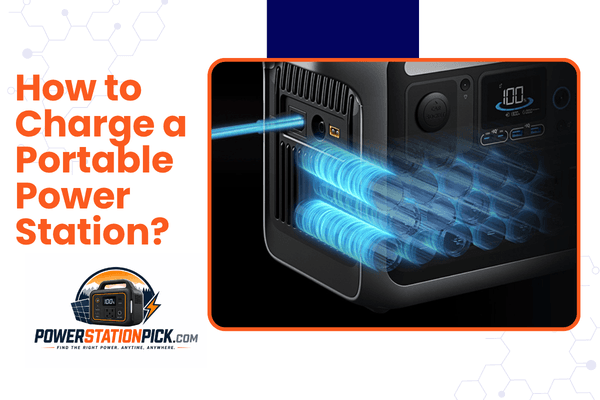
- Wall AC (fastest, 1-2 hours typical): Best for topping off before you leave home
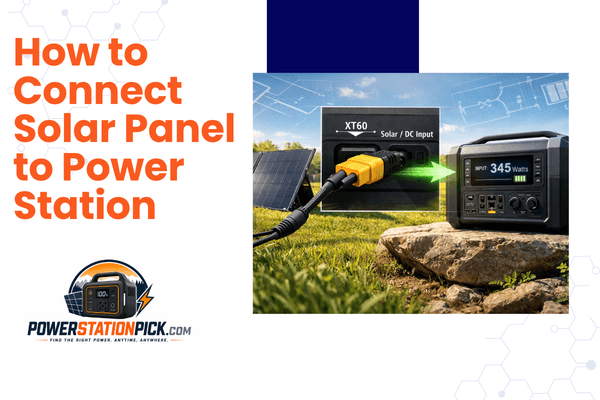
- Solar panel (slowest, weather-dependent): Essential for multi-day off-grid trips; expect real-world input at 50-70% of the rated wattage under typical conditions
- Car 12V charging: Convenient during the drive to camp, but slow — often 6-8+ hours for a full charge on larger units
- Dual/triple charging (AC + solar simultaneously): Cuts charge time significantly if you need a fast turnaround between trips
If solar is part of your plan, check the maximum solar input wattage the unit accepts — pairing a 100W panel with a station that only accepts 60W of solar input wastes the panel’s extra capacity.
5. Battery Chemistry — LiFePO4 Is the Standard Worth Paying For
Nearly every reputable power station now uses LiFePO4 (LFP) batteries instead of older NMC lithium-ion chemistry, and for camping use, the difference matters:
- Cycle life: LFP batteries last 2,000-3,500+ charge cycles vs. 500-800 for NMC — meaning years of weekend trips instead of one or two camping seasons before noticeable capacity loss
- Thermal stability: LFP is significantly more resistant to thermal runaway, an important safety factor when a power station sits in a hot car trunk or near a campfire
- Trade-off: LFP units are typically slightly heavier per watt-hour than NMC — a small weight penalty for a much longer-lasting battery
Unless you have a specific reason to prioritize minimum weight above all else, LFP is worth the trade-off for camping use.
6. Durability and Weather Resistance
Camping conditions are harder on electronics than home use. Look for:
- IP-rated splash resistance (not full waterproofing — most power stations are not designed to be submerged or rained on directly, but light splash resistance helps)
- Reinforced corners or a rollcage-style casing for units that’ll be set down on rocks, picnic tables, or truck beds
- Operating temperature range listed in the spec sheet — most LFP units handle discharge down to 14°F (-10°C) but charging in freezing temps requires the unit’s internal heating function, which not all models include
7. Noise Level — An Underrated Factor
Power stations cool their internal electronics with a fan, especially during fast charging or high-wattage output. Quiet campsites make fan noise far more noticeable than it would be at home. If quiet operation matters to you (shared campgrounds, light sleepers, wildlife photography), check user reviews specifically for fan noise complaints — manufacturer spec sheets rarely disclose decibel levels honestly.
8. Price Range — What You’re Actually Paying For
| Price tier | What you get |
|---|---|
| Under $300 | 200-300Wh capacity, basic ports, often NMC chemistry, fine for phone/light charging only |
| $300-$700 | 500-1,000Wh, LFP battery becomes standard, solar-ready, good for most weekend campers |
| $700-$1,500 | 1,000-2,000Wh, faster charging, higher continuous wattage, supports fridges and CPAPs reliably |
| $1,500+ | 2,000Wh+, expandable battery systems, whole-trip autonomy, overkill for casual camping |
Buying tip: Watch for sales around major shopping events (Black Friday, Prime Day, and end-of-summer clearance in September) — portable power stations regularly see 20-35% discounts during these windows, and waiting even a few weeks can mean a meaningfully lower price for the same model.
FAQs
What is a portable power station?
A portable power station is a battery-powered device that stores electricity and supplies it through AC outlets, USB ports, and DC outputs — functioning like a rechargeable generator without the noise, fumes, or fuel. Most modern units use LiFePO4 (LFP) batteries, which offer 2,000+ charge cycles and a much longer lifespan than the lithium-ion batteries used in older models. They can be recharged from a wall outlet, a car’s 12V port, or solar panels, making them flexible for both home backup and outdoor use.
Why do I need a portable power station for camping?
A power station lets you run lights, charge phones and cameras, power a portable fridge, or run a CPAP machine without relying on a campsite’s electrical hookup or a gas generator. Unlike gas generators, it produces zero emissions and no noise — meaning you can run it inside a tent vestibule or right next to your camp chair without fumes or a constant motor hum disturbing the quiet. It’s also significantly safer for car camping, RVing, and backcountry basecamp setups where carrying fuel isn’t practical.
How do I choose the best portable power station for camping?
Match the capacity (Wh) to your trip length and what you plan to run — a weekend without a fridge needs as little as 300-600Wh, while a week-long trip with a fridge or CPAP needs 1,000Wh or more. Beyond capacity, check the continuous wattage output (not just the peak/surge number), the number and type of ports, weight if you’re hiking in, and whether it supports solar charging if you’ll be off-grid for more than a couple of days. For most car campers, a 500-1,200Wh unit with a 1,000W+ continuous output covers the vast majority of camping needs.
What devices can I power with a portable power station?
Most camping power stations comfortably run phones, laptops, LED lanterns, drone batteries, portable fans, and 12V coolers. Mid-size units (800-1,500Wh with 1,000W+ output) can also run a CPAP machine for multiple nights, a portable fridge continuously, or a compact microwave for short bursts. Larger units (2,000Wh+) can handle a full-size microwave, an electric kettle, or even a small space heater, though heating appliances draw the most power of anything you’re likely to bring camping.
How long will a portable power station last on a camping trip?
For a typical weekend of car camping with two people — charging phones, running LED lighting for a few hours each night, and occasionally charging a camera — a 500-800Wh power station usually lasts the full trip without needing a recharge. Add a portable fridge running continuously, and that same trip can consume 400-600Wh per day, meaning a 1,000Wh unit may need a partial recharge (via solar or your vehicle) by day two or three. Cold weather also reduces usable runtime by roughly 10-20%, so budget extra capacity for trips below 40°F.
Can I bring a portable power station on a plane?
Most airlines allow portable power stations in carry-on luggage only, not checked bags, due to lithium battery regulations. The FAA limits carry-on lithium batteries to 100Wh without airline approval, and many camping power stations exceed that — a 1,000Wh unit, for example, is well above the limit and cannot be flown on most commercial flights. If you’re flying to your camping destination, plan to rent or buy a power station locally, or choose a smaller model under 100Wh that’s explicitly rated as airline-safe.
Is it safe to use a portable power station inside a tent?
Yes — unlike gas generators, portable power stations produce no carbon monoxide or exhaust fumes, making them safe to run inside a tent vestibule or camper interior. The main precaution is heat: keep the unit in a well-ventilated spot, avoid covering the cooling vents, and don’t charge it directly under a sleeping bag or blanket where heat can build up. A faint hum from the internal cooling fan during charging is normal and not a safety concern.
How long does a portable power station take to charge from solar panels?
Charging time depends on the panel’s wattage, the battery’s capacity, and how much direct sun you actually get — which is usually less than the rated number suggests. As a rough guide, a 1,000Wh power station paired with a 200W solar panel takes about 6-8 hours of strong, direct sunlight to fully charge — but partial shade or overcast skies can stretch that to 12+ hours. For reliable solar charging at camp, position panels in open sky exposure (not under tree cover) and angle them toward the sun’s path throughout the day.
Do portable power stations work in cold weather?
LiFePO4 batteries can discharge safely in temperatures as low as 14°F (-10°C), but charging in freezing conditions is more limited — many units pause or slow charging below freezing to protect the battery, unless they include a built-in heating function. Cold weather also reduces usable capacity, typically by 10-20% for every 10°F drop below 50°F. For winter camping, insulate the power station (a wrapped towel or insulated bag works well) and avoid leaving it exposed to overnight cold when not in use.
Final Verdict: Which Portable Power Station Should You Buy?
After comparing capacity, output, charging speed, and real-world durability across this list, a few clear patterns emerge depending on how you camp.
If you camp most weekends and want one power station that handles almost everything — phones, lights, a portable fridge, and the occasional appliance — a 1,000-1,200Wh unit with at least 1,500W of continuous output is the sweet spot. It’s heavy enough to mean business but still manageable to load into a car, and it leaves enough headroom that you won’t outgrow it after a season or two.
If you’re just starting out, or only need to keep phones and small electronics charged, there’s no reason to overspend on capacity you’ll never use. A compact 300-600Wh unit covers the basics for a fraction of the price and weight, and you can always add a second unit or a solar panel later if your needs grow.
If your trips involve a CPAP machine, a fridge running multiple days, or basecamp-style setups far from any outlet, prioritize both capacity (1,500Wh+) and solar input flexibility. Running out of power mid-trip isn’t just inconvenient in these cases — it can affect sleep, food safety, or medical equipment, so it’s worth paying for the buffer.
Across every category, LiFePO4 battery chemistry should be considered non-negotiable at this point. The extra upfront cost compared to older lithium-ion models pays for itself within a couple of camping seasons, both in lifespan and in the peace of mind that comes with safer, more stable battery performance in hot cars and direct sun.
Whichever model you choose from this list, the most important step happens before you buy: total up the wattage of everything you actually plan to run, multiply your daily usage by your trip length, and add a 20-30% buffer for cold weather and unexpected use. Get that calculation right, and almost any power station on this list will serve you well for years of trips to come.
Still not sure which capacity fits your trip? Use our Portable Power Station Calculator to get a personalized recommendation based on exactly what you plan to bring.

Hi, I’m Andrew Richards. I created PowerStationPick to share what I’ve learned about portable power through real-world use—what actually works, what doesn’t, and what makes sense for different situations. I focus on helping you choose the right setup for home backup, camping, and everyday needs without overcomplicating things.